
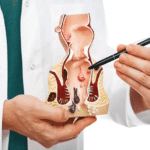





Proctology has changed a lot over time and now offers patients effective and minimally invasive treatments for a wide range of anorectal conditions. As more people become aware of the importance of early treatment, modern PROCTOLOGY continues to bridge the gap between comfort, function, and long-term wellness. While many individuals are familiar with hemorrhoids, fewer understand related conditions such as anal fistulas and fissures, even though all three can significantly impact daily life. Today’s specialists combine advanced diagnostic tools with refined techniques to help patients achieve faster relief and better outcomes.
Hemorrhoids and Their Modern Treatments
Hemorrhoids are among the most common anorectal issues treated in proctology. These swollen veins inside or around the anus often develop due to straining, chronic constipation, pregnancy, or prolonged sitting. People who already experience varicose veins in other parts of the body may also be more prone to hemorrhoids, as both involve vein dilation and increased pressure.
Modern treatment options range from conservative care to minimally invasive procedures. Lifestyle modification, topical medications, and dietary changes help manage mild cases. For more persistent symptoms, effective techniques such as rubber band ligation, infrared coagulation, or sclerotherapy provide relief without major downtime. In severe cases, surgery may be needed, but even then, new ways help people feel better and heal faster.
Anal Fissures: Painful but Treatable With Today’s Proctology Techniques
It is common to get anal cracks from having chronic constipation or passing hard stools. While fissures can be extremely painful, especially during bowel movements, today’s PROCTOLOGY treatments provide targeted relief. Specialists often begin with noninvasive options like warm sitz baths, fibre supplementation, topical ointments, or medications that relax the anal muscles to promote healing.
When conservative approaches are not enough, more advanced treatments are available. Botox injections and lateral internal sphincterotomy are two highly effective options that reduce muscle tension and enhance blood flow to help the fissure heal. With these new methods, more patients are able to return to their daily routines more quickly and with less pain.
Anal Fistulas: A Complex Condition With Clear Treatment Pathways
If a gland gets infected, it can make a weird tube between the anal canal and the skin around the anus. This is called an anal fistula. They can cause persistent drainage, discomfort, and infection if left untreated. Because fistulas vary in complexity, accurate assessment by a specialist is essential. This is where the collaboration between Gastroenterology and proctology becomes valuable, especially in patients with underlying digestive conditions such as Crohn’s disease.
Advanced imaging helps map the fistula’s path, guiding specialists toward the most effective treatment. Options may include fistulotomy, seton placement, advancement flap procedures, or laser therapy. Today’s techniques aim to treat the infection, close the abnormal tract, and preserve sphincter function to prevent complications like incontinence. Thanks to these innovations, patients experience improved healing and far better long-term outcomes compared to past approaches.
The Role of Preventive Care in Proctology
Preventive care is becoming a cornerstone of modern proctology. Early evaluation not only reduces discomfort but also prevents complications, especially for those at higher risk due to digestive disorders, lifestyle habits, or vascular issues such as varicose veins. Regular checkups, healthy bowel habits, and prompt attention to unusual symptoms support better long-term health.
Many anorectal conditions overlap with broader digestive concerns, which is why Gastroenterology and proctology often work hand in hand. This integrated approach ensures that both the symptoms and root causes are addressed, giving patients a clearer path toward lasting relief.
Today’s Proctology Delivers Better Outcomes and Better Quality of Life
Modern advancements in PROCTOLOGY have transformed what used to be intimidating or painful experiences into manageable and often minimally invasive treatments. Whether a patient is dealing with hemorrhoids, fistulas, fissures, or related issues, today’s specialists offer effective solutions backed by precision diagnostics and improved technologies. With early intervention and expert care, individuals can reclaim comfort, confidence, and control over their daily lives.